
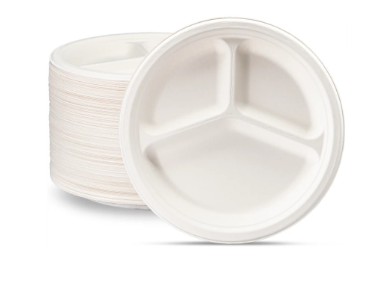
In today’s eco-conscious world, compostable paper plates have become a popular alternative to traditional disposable tableware. As more people aim to reduce waste and protect the environment, understanding how these plates break down is essential. Whether you’re hosting a party or running a food service business, choosing sustainable options like those offered by Gusto Ware can make a significant difference. Their wide range of disposable dining essentials combines convenience with responsibility, helping users adopt greener habits without sacrificing quality.
What Are Compostable Paper Plates?
Compostable paper plates are made from natural, renewable materials such as bagasse (sugarcane fiber), bamboo pulp, or recycled paper. Unlike plastic-coated plates, these products are designed to decompose naturally under the right conditions. They do not contain harmful chemicals or synthetic coatings, which allows microorganisms to break them down efficiently. This makes them a practical choice for individuals and businesses looking to minimize environmental impact while maintaining convenience.
The Science Behind Decomposition
The breakdown of compostable paper plates is a biological process driven by microorganisms such as bacteria and fungi. When these plates are placed in a composting environment, microbes begin consuming the organic material. This process converts the plates into simpler compounds like carbon dioxide, water, and nutrient-rich compost. The key factor here is that the materials used in compostable plates are organic, meaning they can be fully digested by natural organisms without leaving toxic residues behind.

Conditions Required for Composting
For compostable paper plates to break down effectively, certain environmental conditions must be met. These include the right balance of moisture, oxygen, and temperature. Composting systems—especially industrial ones—maintain high temperatures that accelerate microbial activity. Moisture helps soften the material, while oxygen supports aerobic decomposition, preventing foul odors. Without these conditions, the decomposition process can slow down significantly, which is why proper disposal is important.
Industrial vs. Home Composting
Not all compostable paper plates break down at the same rate in every environment. Industrial composting facilities provide controlled conditions that speed up the process, often breaking down plates within 60 to 90 days. In contrast, home composting systems may take longer due to lower temperatures and less consistent conditions. However, even in home setups, these plates will eventually decompose, making them far more sustainable than plastic alternatives.
Breakdown Timeline
The time it takes for compostable paper plates to decompose depends on several factors, including material thickness, composting conditions, and microbial activity. In ideal industrial settings, decomposition can occur within a few weeks to a couple of months. In backyard compost bins, the process might take several months. Regardless of the timeline, the end result is the same: nutrient-rich compost that can be used to enrich soil and support plant growth.
Environmental Benefits
One of the biggest advantages of compostable paper plates is their positive environmental impact. Unlike plastic plates that can take hundreds of years to decompose, compostable options return to the earth naturally. They help reduce landfill waste, lower carbon emissions, and contribute to soil health. By choosing these plates, consumers actively support a circular economy where waste is transformed into valuable resources.
Role of Gusto Ware in Sustainable Living
Gusto Ware plays a vital role in promoting eco-friendly practices by offering high-quality compostable paper plates alongside other disposable essentials. Their products are designed to meet modern demands for convenience while aligning with environmental goals. With affordable pricing and reliable performance, Gusto Ware ensures that customers don’t have to compromise between sustainability and practicality. Whether it’s for events, catering, or everyday use, their solutions simplify both preparation and cleanup.
Proper Disposal Practices
To ensure compostable paper plates break down efficiently, proper disposal is crucial. Users should place them in compost bins rather than regular trash. Removing excess food waste and avoiding contamination with non-compostable materials can also improve the process. If industrial composting facilities are available in your area, using them can significantly speed up decomposition and maximize environmental benefits.
Common Misconceptions
Many people assume that all paper plates are compostable, but this is not true. Traditional paper plates often have plastic coatings that prevent decomposition. Compostable paper plates, on the other hand, are specifically designed to break down naturally. Another misconception is that compostable products degrade instantly; in reality, they still require the right conditions and time to fully decompose.
Conclusion
Understanding how compostable paper plates break down highlights their importance in reducing environmental impact. Through natural biological processes, these plates transform into nutrient-rich compost, supporting sustainable waste management. With proper disposal and the right conditions, they offer a practical and eco-friendly alternative to traditional disposables. Brands like Gusto Ware make it easier than ever to embrace sustainable living by providing reliable, high-quality products that align with modern environmental values.