
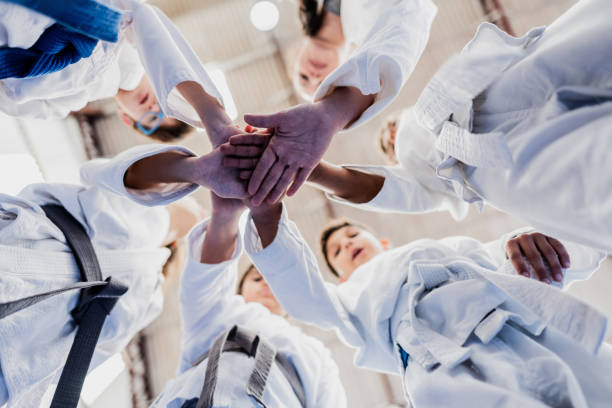
Many people assume martial arts is something you either start as a child or never do at all. This belief keeps countless adults on the sidelines, watching from a distance instead of stepping onto the mat themselves. The truth is that age is rarely the obstacle people think it is. Adult martial arts programs are specifically designed to welcome beginners of all ages, and starting later in life often comes with unexpected advantages.
Why Adults Hesitate to Begin
The most common reason adults avoid trying martial arts is fear of embarrassment. Nobody wants to feel like the least coordinated person in the room, especially when surrounded by people who appear to already know what they are doing. Another common hesitation is the belief that flexibility, strength, and stamina from childhood are required to succeed. In reality, most adult classes are structured around gradual progression, meaning nobody expects you to perform advanced movements on day one.
The Advantages of Starting as an Adult
Adults actually bring several strengths to training that children often lack. Patience, discipline, and the ability to understand and apply instruction quickly are all qualities that develop with age and life experience. Adults tend to grasp the reasoning behind techniques faster, which speeds up learning in a different way than pure physical repetition. Additionally, adults are training by choice rather than because a parent enrolled them, which often leads to stronger motivation and consistency.
Physical Benefits That Go Beyond the Mat
Adult martial arts training offers a full body workout that improves strength, flexibility, balance, and cardiovascular health simultaneously. Unlike isolated gym exercises, martial arts requires coordination between your entire body, engaging muscle groups that are often neglected in traditional workouts. Many adults notice improved posture, better sleep, and increased energy levels within just a few weeks of consistent training. The physical demands are challenging but scalable, meaning instructors can adjust intensity based on your current fitness level.
Mental and Emotional Benefits
Beyond the physical side, training provides a powerful outlet for stress relief. Life as an adult often comes with constant mental pressure from work, family, and daily responsibilities. Time on the mat allows you to disconnect from those pressures and focus entirely on the present moment. Many students describe their training sessions as a form of moving meditation, where the concentration required leaves little room for outside worries. Over time, this consistent stress relief contributes to better overall mental health and emotional resilience.
Building Discipline and Structure
One of the defining characteristics of martial arts training is the structure it provides. Classes follow a clear progression system, often marked by belts or ranks that give students tangible goals to work toward. This structure appeals to adults who want measurable progress in their fitness journey rather than vague, open ended goals. The discipline learned through consistent training often extends into other areas of life, improving focus and follow through at work and in personal projects.
Practical Self Protection Skills
While fitness and mental health are major draws, learning practical protection skills remains a core benefit of training. Adults gain the ability to defend themselves and their families using techniques grounded in real world application rather than theory alone. This added layer of preparedness provides genuine peace of mind, particularly for those who travel frequently or live in unfamiliar environments.
Finding a Welcoming Environment
The right training environment makes all the difference for adult beginners. Look for a school that offers dedicated adult classes rather than mixed age groups, as this ensures training pace and intensity match your needs. A welcoming instructor who takes time to explain fundamentals without rushing students through material is essential for building confidence early on. Many schools offer trial classes or introductory programs specifically designed to ease new adult students into training.
What a Typical Class Looks Like
Most adult classes begin with a warm up focused on mobility and cardiovascular conditioning, followed by technical instruction on strikes, movement, or grappling depending on the style. Partner drills allow students to practice techniques in a controlled setting, and classes often conclude with light conditioning or cool down stretches. The structured format means you always know what to expect, which helps reduce first day nerves.
It Is Never Too Late
Age should never be the deciding factor in whether or not to pursue something meaningful. Adults who start training often find that their initial hesitation fades within the first few classes as they realize the environment is far more supportive than intimidating. Whether your goal is fitness, stress relief, discipline, or practical skills, there is no better time to start than now. The only real requirement is a willingness to show up and try, and the rest follows from there.